

Three capabilities that close the loop.

Start with the problem your institution is facing. Each capability answers a different one, and together they give your team governed data, a clear view of the system and the routines that make both count.

01

Intelligent Data Systems

Build foundations the institution owns.

Explore capability →
Illustrative scene of a data engineer configuring a health information system

Data collected for reporting does not always serve the decisions leaders need to make. Fragmented records, unclear ownership and reliance on external support can prevent teams from using what they already hold.

  • Data Ecosystem Diagnostic

    Governments, donors and NGOs that need to understand why their data is not supporting decisions.

  • Decision Intelligence System Design

    Institutions redesigning their data architecture around leadership, policy and investment decisions.
02

Systems Intelligence

See how the system works. Find where change matters.

Explore capability →
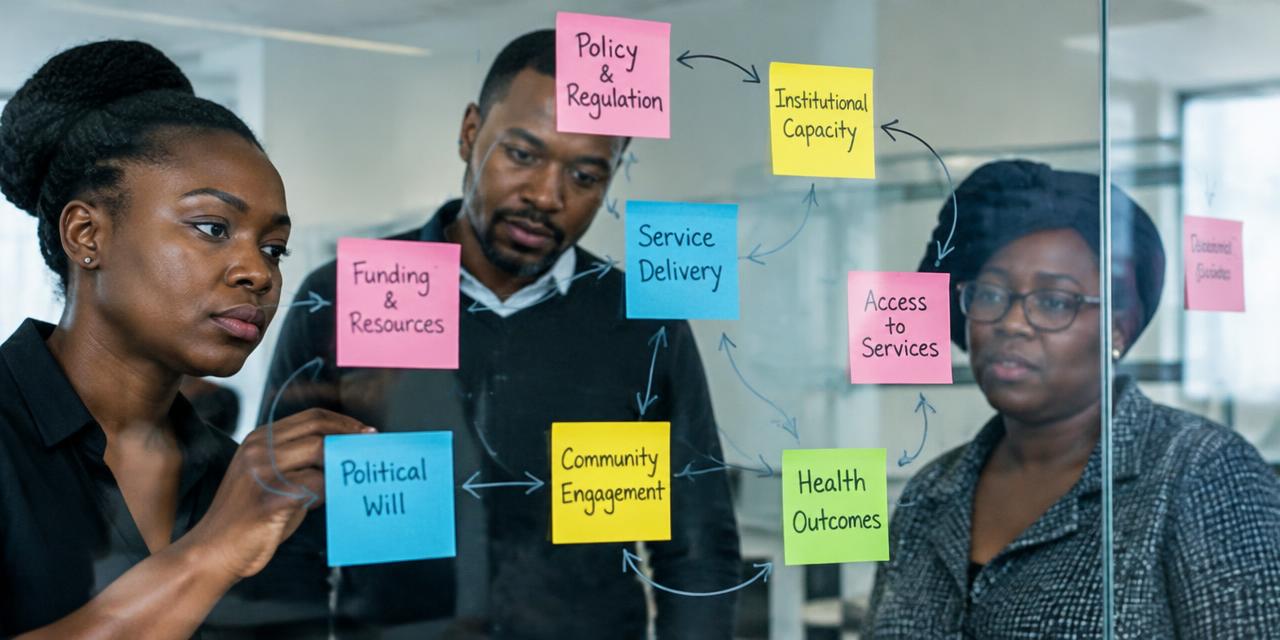
Illustrative scene of analysts building a causal loop diagram on a glass wall

Complex sector challenges persist because institutions respond to the parts they can see. Programmes address visible symptoms while the structural drivers, incentives, feedback loops, delays, resource flows, remain untouched and continue to reproduce the problem.

  • Systems Intelligence Review

    Institutions working on complex, persistent sector challenges.

03

Organisational Transformation

Build capability that stays.

Explore capability →
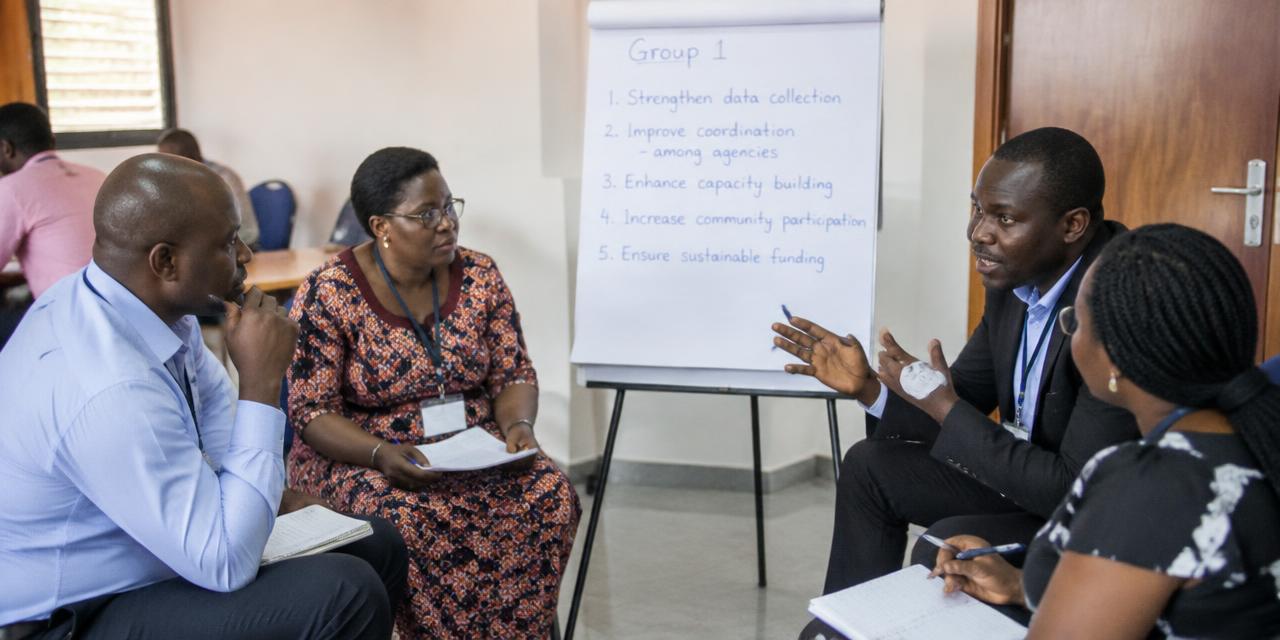
Illustrative scene of civil servants in a breakout discussion around a flipchart

Technology implementations fail when the human system is not designed to use them. Monitoring functions become compliance heavy and learning light; evidence arrives after the decision has already been made.

  • MEAL and decision practice

    Institutions whose monitoring systems are compliance and reporting heavy but learning light.

  • Institutional Data Culture Programme

    Organisations that need staff and leadership to actually use data in their decisions.

Training that stays behind when we leave.

We run practical training sessions for organisations and firms that want to build their own capability, not rent ours. Sessions are designed around your institution's real decisions and data, and delivered for teams of any size.

  • Data systems

    Designing, governing and using data architectures that leadership can trust.

  • Monitoring, evaluation & learning (MEL)

    Building MEL routines that generate evidence decisions actually use.

  • Systems thinking

    Seeing wholes instead of parts, mapping the structural drivers behind institutional problems.

Every capability runs through the same five stages.

  1. 01

    Reveal

    Map the current data ecosystem, decision flows, institutional incentives and system dynamics. Understand what exists, what is missing and where the real gaps are, before proposing solutions.

  2. 02

    Diagnose

    Identify fragmentation points, data quality failures, governance weaknesses, decision use gaps and system leverage points. Name root causes, not symptoms.

  3. 03

    Design

    Co create architectures, frameworks, tools, processes and routines calibrated to the institution's mandate, context and capacity. Design for use and local ownership from day one.

  4. 04

    Embed

    Build capability through coaching, training, governance structures and leadership routines. The intelligence system must become part of how the institution works, used when we are no longer in the room.

  5. 05

    Transfer

    Leave behind locally owned systems, documented methodologies, trained staff and embedded decision practices. The engagement ends when the institution no longer needs us to sustain what we built together.

The Decision Dispatch

Practical thinking on evidence and public decisions.

Short essays on data systems, MEL, DPI and AI in public institutions. Register your interest in the planned monthly dispatch.